
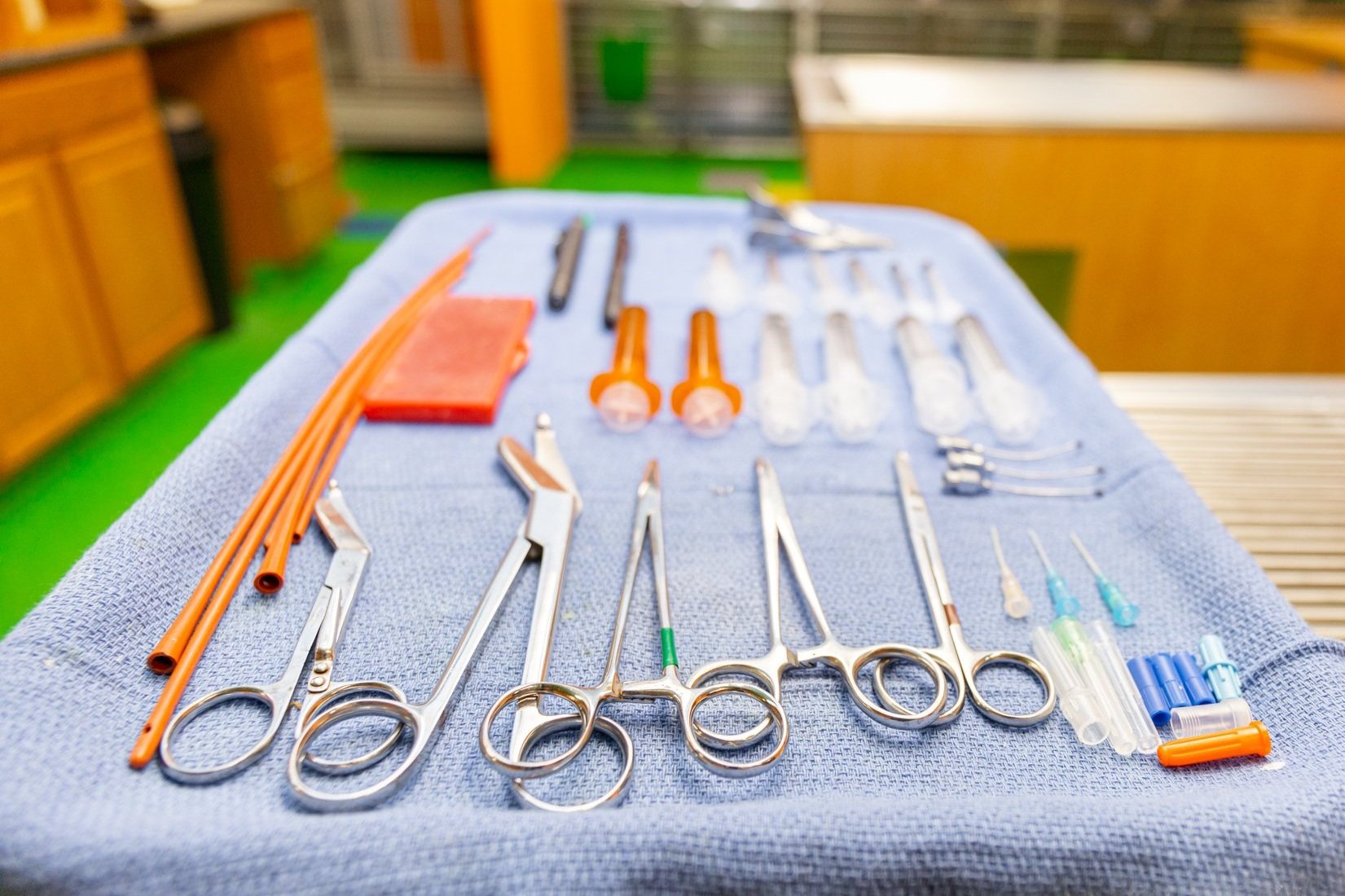
Splenectomy Surgery for Dogs in Chantilly, VA
Splenectomy is surgery to remove the spleen, most commonly performed in dogs when a splenic mass is present or when the spleen is suspected to be the source of internal bleeding. These cases are often urgent because bleeding into the abdomen can progress rapidly, leading to weakness, collapse, and serious instability if not addressed promptly.
Nova Pets provides urgent surgical assessment and treatment during regular business hours. If your dog is showing severe signs outside of business hours, immediate evaluation at a 24-hour emergency hospital is recommended.
Surgical Experience You Can Trust
Dr. Masood has devoted more than 25 years to performing advanced surgical procedures in dogs and cats. Over the course of his career, he has completed hundreds of surgeries, approaching each case with disciplined technique, careful clinical judgment, and a consistent focus on patient safety and thoughtful outcomes.
What Is the Spleen and Why Would It Need to Be Removed?
The spleen is an abdominal organ involved in blood filtration and immune function. In dogs, the most common surgical concern involves splenic masses, which can bleed into the abdomen or rupture. Some splenic masses are benign, while others may be more serious. Because bleeding risk can be significant, removal of the spleen is often recommended when a mass is identified—especially if there are clinical signs or imaging findings consistent with hemorrhage.
Dogs can live without a spleen, and many recover well after surgery when the underlying condition is addressed appropriately.
Signs That May Suggest Internal Bleeding
Internal bleeding can develop quickly and may cause sudden changes in your dog’s condition. Signs that can raise concern include:
Weakness or sudden collapse
Pale gums
Rapid breathing or increased effort
Marked lethargy
Distended abdomen or abdominal discomfort
Decreased appetite
These signs can have multiple causes, but when internal bleeding is a concern, prompt evaluation is important.
When Is Splenectomy Necessary?
Splenectomy is commonly recommended when:
A splenic mass is identified, and bleeding risk is present
Imaging suggests fluid in the abdomen consistent with hemorrhage
Clinical signs indicate instability or progression
The spleen is suspected to have ruptured or is actively bleeding
The purpose of surgery is to remove the affected spleen, control bleeding, and stabilize the patient. Treatment decisions are based on clinical findings, diagnostic results, and overall patient status.
How Splenectomy Surgery Works
Splenectomy is performed under general anesthesia. Before surgery, evaluation typically includes a physical examination and diagnostic testing—often bloodwork and ultrasound—to assess stability and confirm concern for a splenic mass or abdominal bleeding.
When needed, supportive care such as intravenous fluids is started prior to anesthesia to improve stability. During surgery, the spleen is carefully removed and bleeding is controlled. The abdomen is evaluated, and a recovery plan is established based on the patient’s condition and surgical findings.
Recovery After Splenectomy
Recovery varies depending on your dog’s stability at the time of surgery, but typically includes:
Activity restriction during healing
Incision care and monitoring
Pain management and medications as prescribed
Follow-up assessment as recommended
Many dogs improve noticeably once bleeding is controlled and recovery is supported appropriately. Owners receive clear discharge instructions, and our team remains available for any questions that arise during the healing process.
Biopsy (Histopathology) and Next Steps
When the spleen is removed, tissue evaluation may be recommended to identify the underlying cause of the mass or bleeding. Histopathology can help clarify whether findings are benign or warrant additional follow-up.
Once results are available, we review the report with you and explain what it means in practical terms. In many cases, results support routine monitoring moving forward. If findings suggest a higher-risk process, we’ll outline next steps such as additional follow-up, imaging, or specialty consultation when appropriate, based on your dog’s overall health and the diagnosis.
Business Hours and Emergency Referral
Nova Pets provides urgent surgical evaluation and intervention during regular business hours:
Monday–Friday: 8:00 AM – 6:00 PM
Saturday: 8:00 AM – 12:00 PM
Sunday: Closed
If your dog develops severe symptoms outside of these hours, immediate evaluation at a 24-hour emergency facility is recommended.
Schedule a Surgical Evaluation
If your dog has been diagnosed with a splenic mass—or is showing signs concerning for internal bleeding—contact Nova Pets to schedule an urgent evaluation during business hours and discuss treatment options.
📞 703-378-9791
or schedule a consultation online
-
Yes. Dogs can live without a spleen, and many adapt well after recovery. The priority is addressing the underlying condition that made removal necessary.
-
No. Some splenic masses are benign, while others can be malignant. Tissue evaluation after surgery helps clarify the diagnosis.
-
Hemoabdomen means blood within the abdominal cavity. It can occur with splenic bleeding and may cause weakness, collapse, and instability.
-
When appropriate, histopathology can help identify the underlying cause and guide follow-up planning. Whether it is recommended depends on the individual case.
-
If your dog collapses or shows signs of severe illness outside of our business hours, immediate evaluation at a 24-hour emergency hospital is recommended.